Discover 10 stunning mountain villages in Europe that most Americans have never heard of. Escape the crowds and explore hidden gems full of charm, nature, and peace.
✈️ Why More Americans Are Skipping Europe’s Big Cities
Paris, Rome, and Barcelona are amazing—but they’re also packed. If you’re looking for something quieter, more authentic, and far from the tourist path, Europe’s hidden mountain villages are the answer. These villages offer timeless scenery, rich local culture, and true peace, without the crowds.
Here are 10 incredible mountain villages in Europe that remain under the radar for most American travelers.
1. 🏞️ Hallstatt, Austria (Beyond the Tourist Zone)
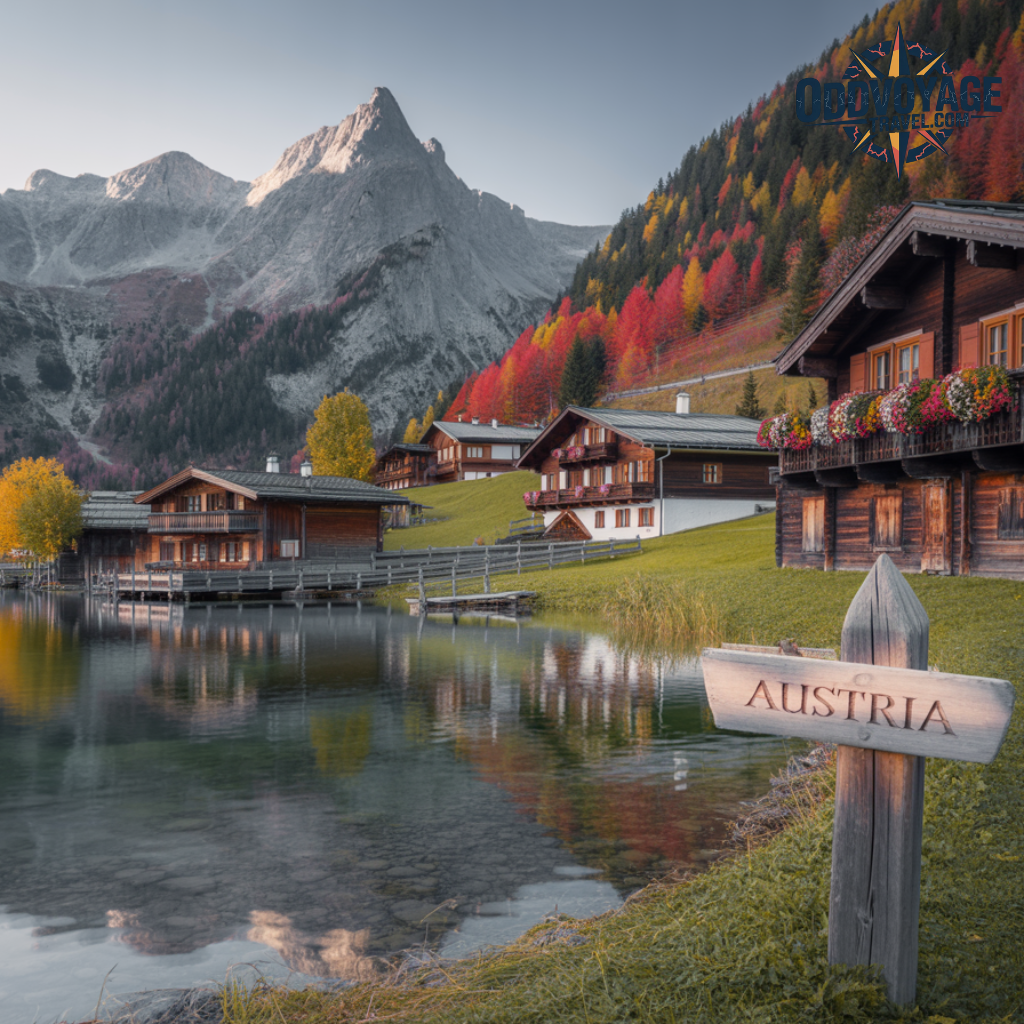
Hallstatt is known thanks to Instagram, but most visitors stay in the main town center. What many miss is the quiet side of Hallstatt—the local hiking trails, remote lakeside cabins, and peaceful salt mine routes. Visit early morning or stay overnight to experience its real charm.
Why Go?
- Serene sunrise over the lake
- Off-route hiking paths
- Traditional Austrian food without the tourist prices
2. 🏔️ Valbona, Albania
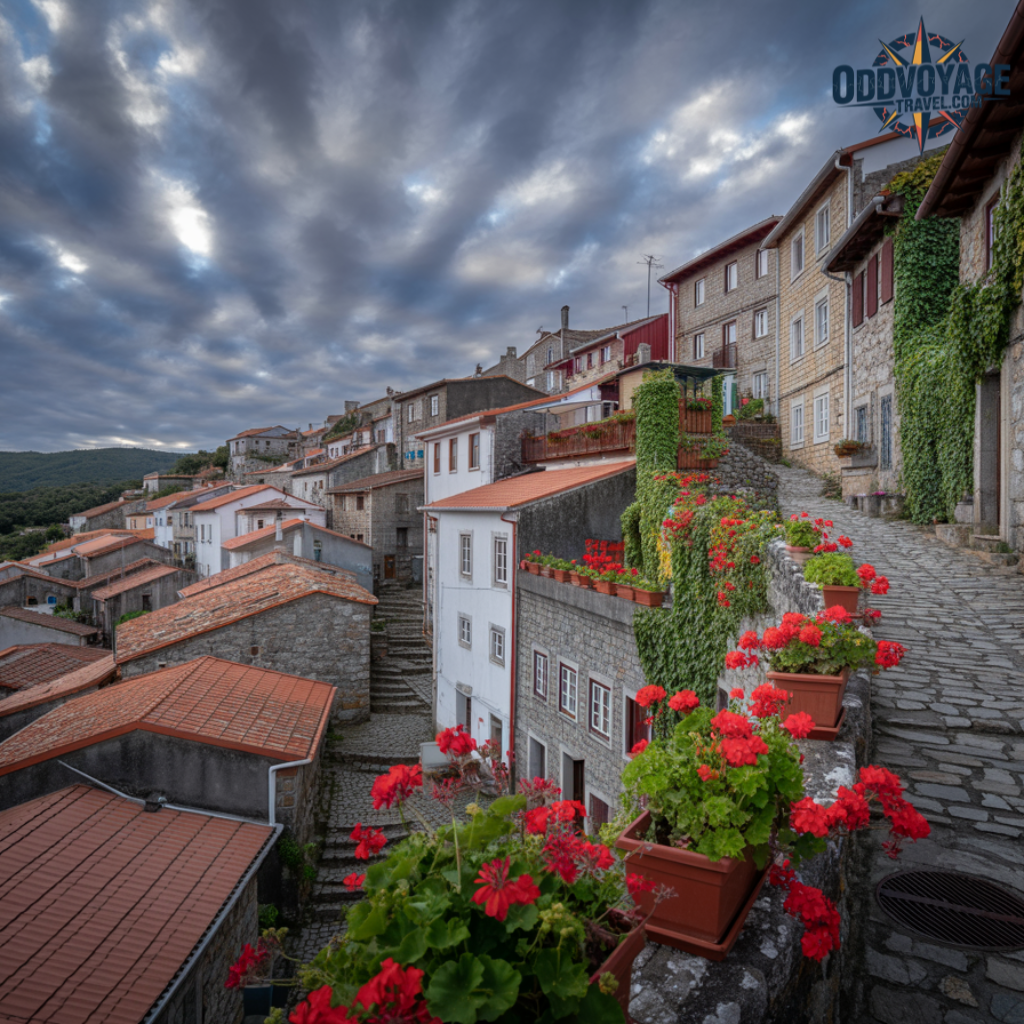
Deep in the Albanian Alps, Valbona is a dream for hikers and nature lovers. Unlike Theth (its more famous neighbor), Valbona remains largely untouched by mass tourism. Stay in a local guesthouse, hike the famous Valbona-Theth trail, and enjoy breathtaking alpine views.
Why Go?
- Affordable, remote adventure
- Welcoming locals
- A hidden gem in Eastern Europe
3. 🏠 Juf, Switzerland
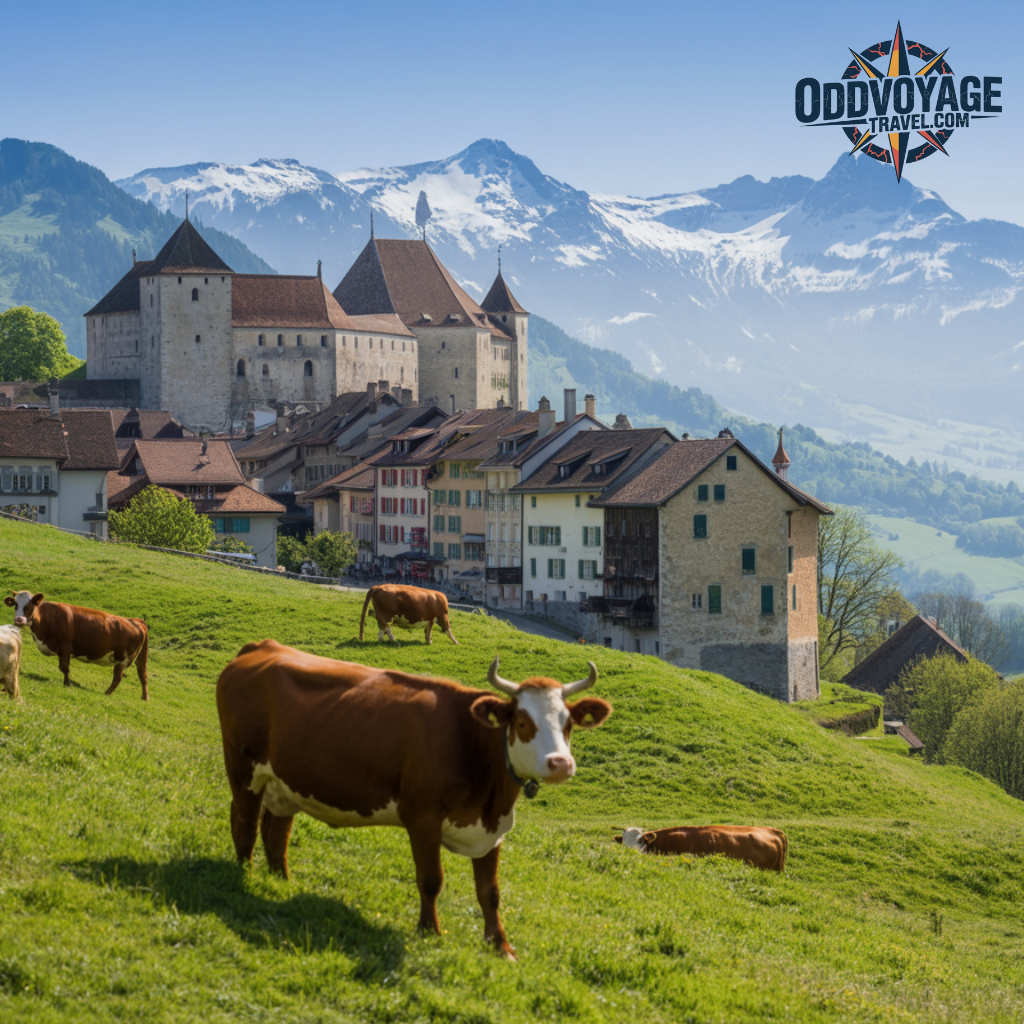
Welcome to the highest permanent village in Europe. Juf has only a few residents, no tourist shops, and endless alpine beauty. There’s no nightlife—just silence, stars, and fresh mountain air.
Why Go?
- Ultimate digital detox
- Picture-perfect scenery
- Peaceful and authentic Swiss experience
4. ⛪ Lescun, France
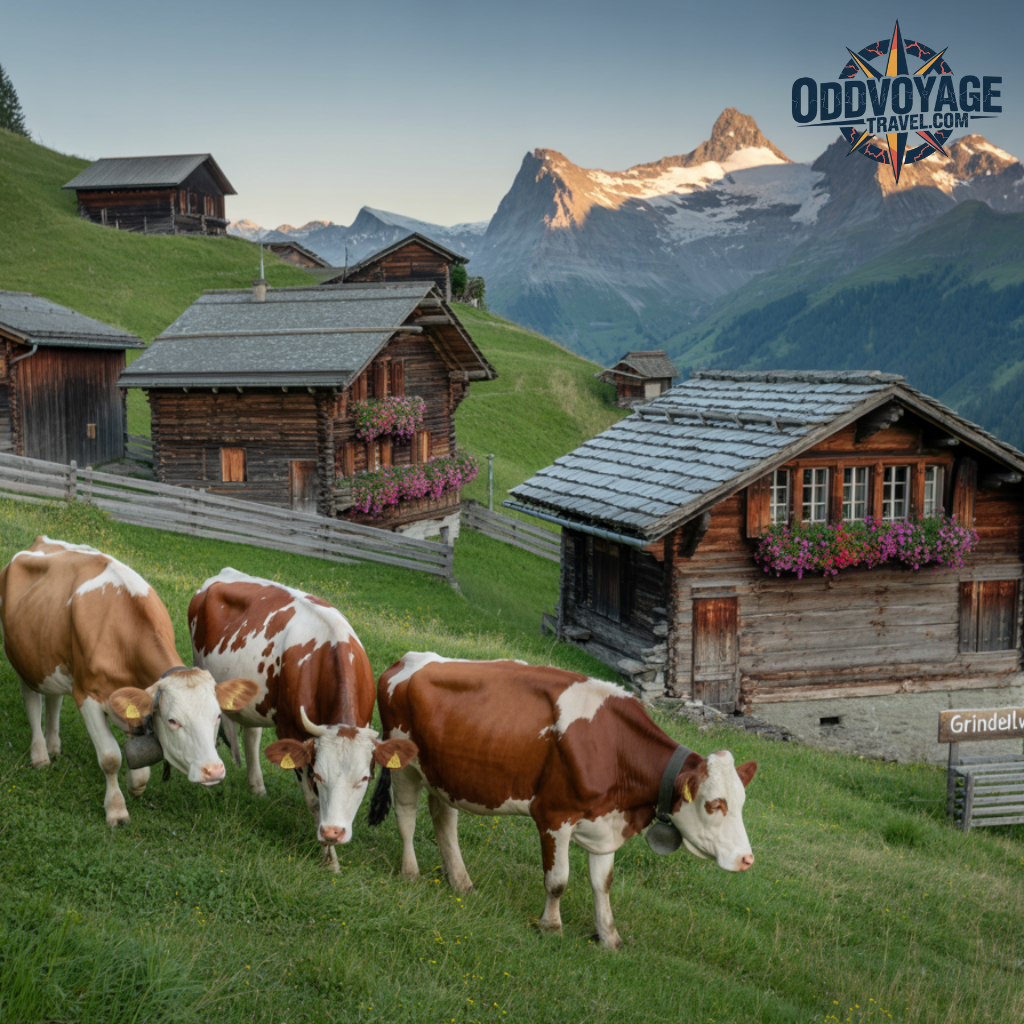
Tucked into the French Pyrenees, Lescun is a stone-built village surrounded by dramatic peaks. It’s a paradise for hikers and cheese lovers. Unlike the Alps, the Pyrenees still feel wild and untouched.
Why Go?
- Rugged natural beauty
- French mountain culture
- Quiet hiking trails
5. 🧭 Monteverde, Italy
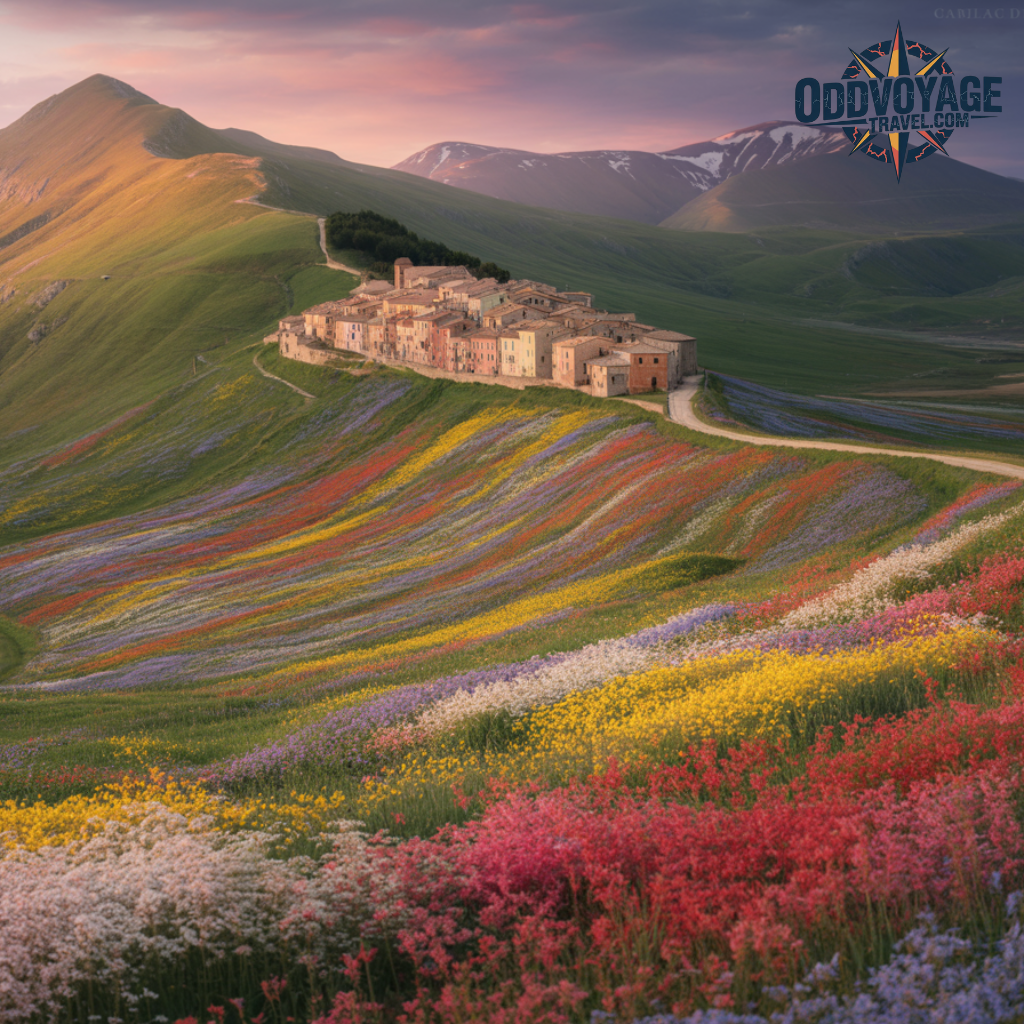
No, not Costa Rica! This Monteverde sits in southern Italy’s Campania region. Surrounded by hills and ruins, it seamlessly blends ancient history with breathtaking natural beauty. Few tourists even know it exists.
Why Go?
- Roman and medieval ruins
- Locally made pasta and wine
- Completely off the tourist map
6. 🐑 Dovje, Slovenia
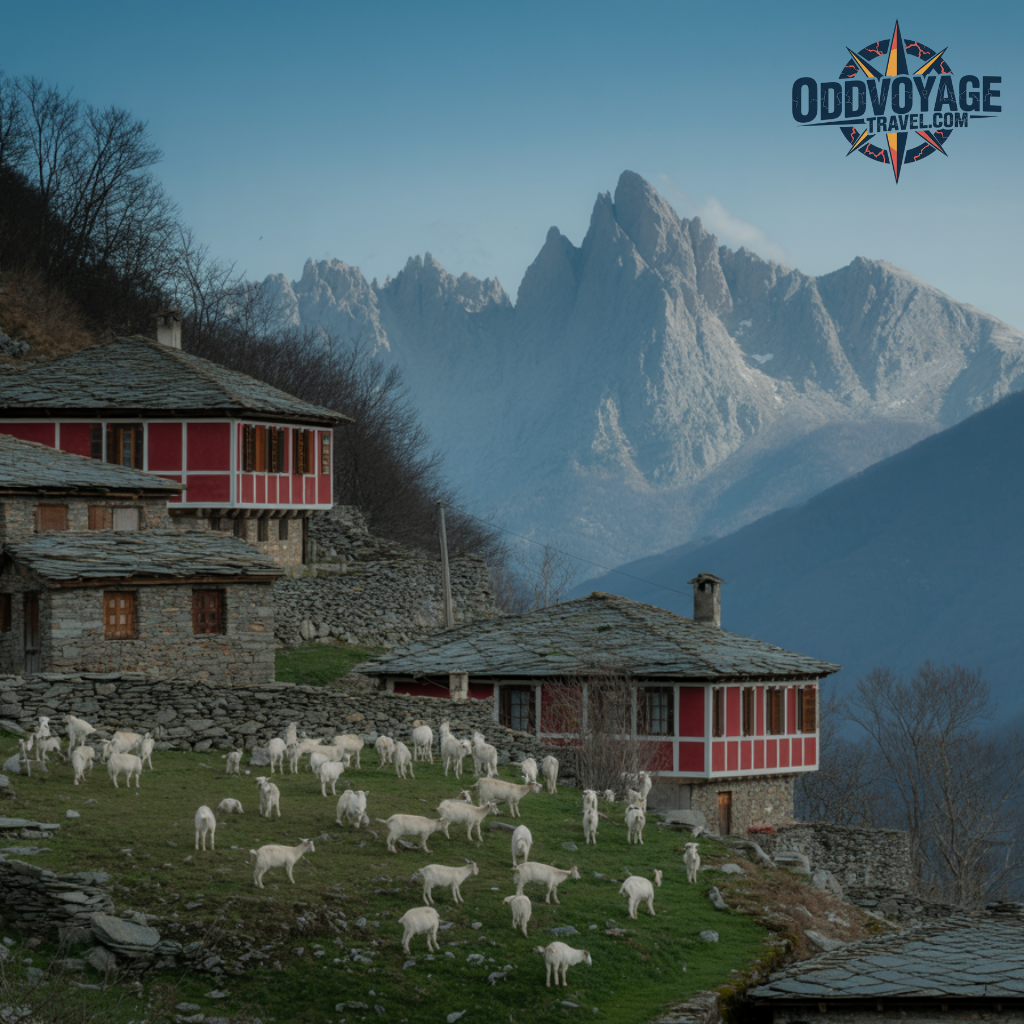
While most Americans head to Lake Bled, Dovje sits quietly nearby in the Julian Alps. It’s an authentic shepherd village with postcard views of Mount Triglav. Stay in a cozy wooden chalet and enjoy local cheese, meats, and mountain air.
Why Go?
- Hidden alternative to touristy Slovenia spots
- Perfect for photographers and nature lovers
- Rich Alpine traditions
7. 💎 Banská Štiavnica, Slovakia
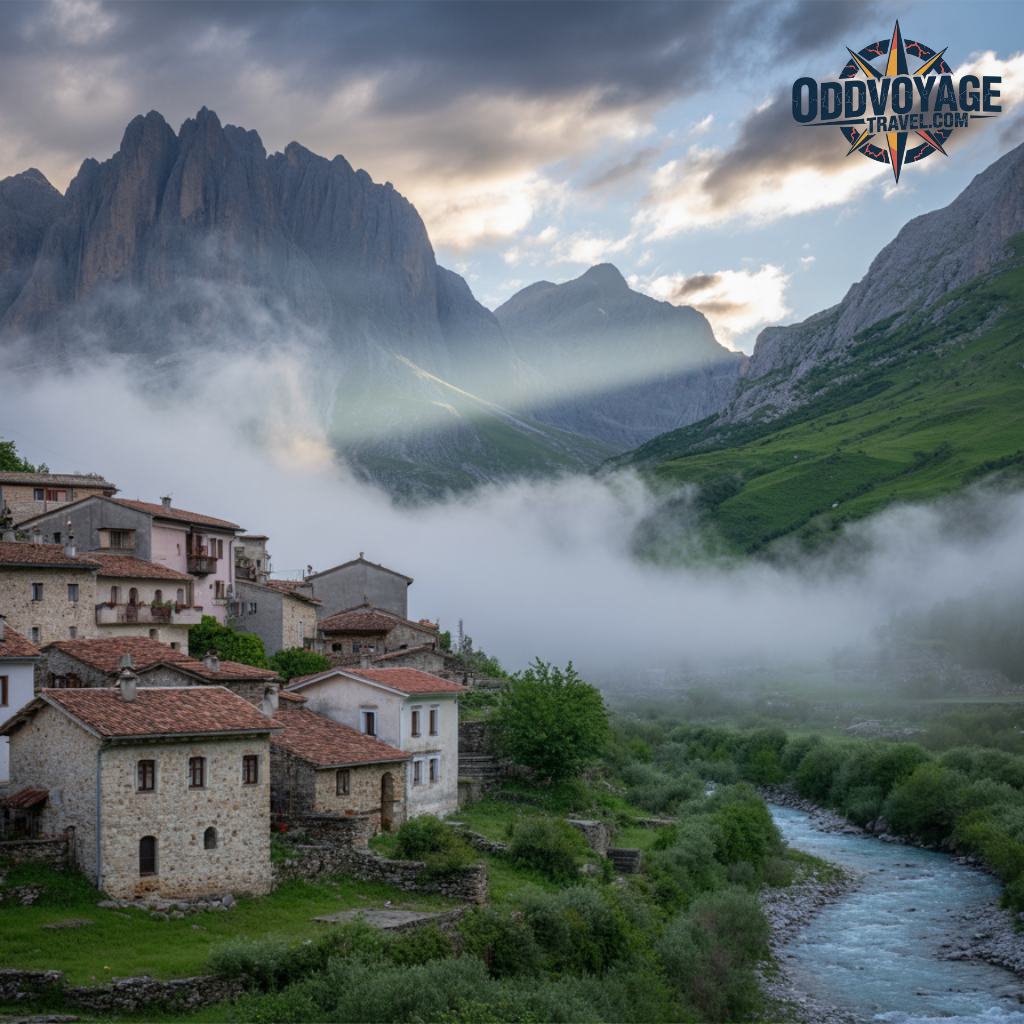
A UNESCO World Heritage site, this mountain town is a step back in time. Forests and mining lakes surround it. Explore medieval castles, relax in thermal baths, and enjoy slow travel at its finest.
Why Go?
- Cultural richness with natural beauty
- Less touristy than other UNESCO sites
- Affordable accommodation and dining
8. 🏞️ Gjirokastër Highlands, Albania
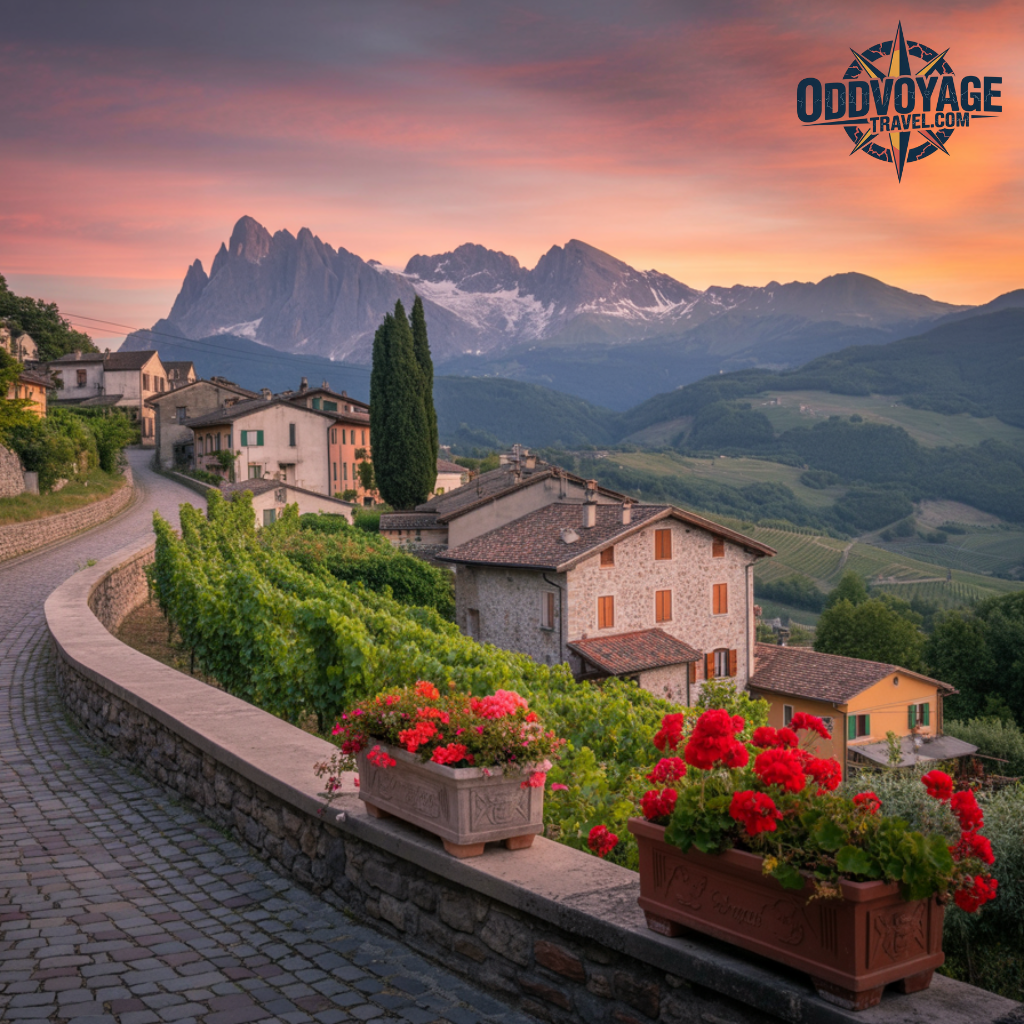
Everyone raves about Gjirokastër’s stone homes, but few venture into the highlands around it. You’ll find authentic mountain life, traditional food, and unmatched views. It’s raw, real, and refreshingly different.
Why Go?
- Local-only experience
- Rugged mountains and deep tradition
- No tourist traps
9. ⛷️ Ordino, Andorra
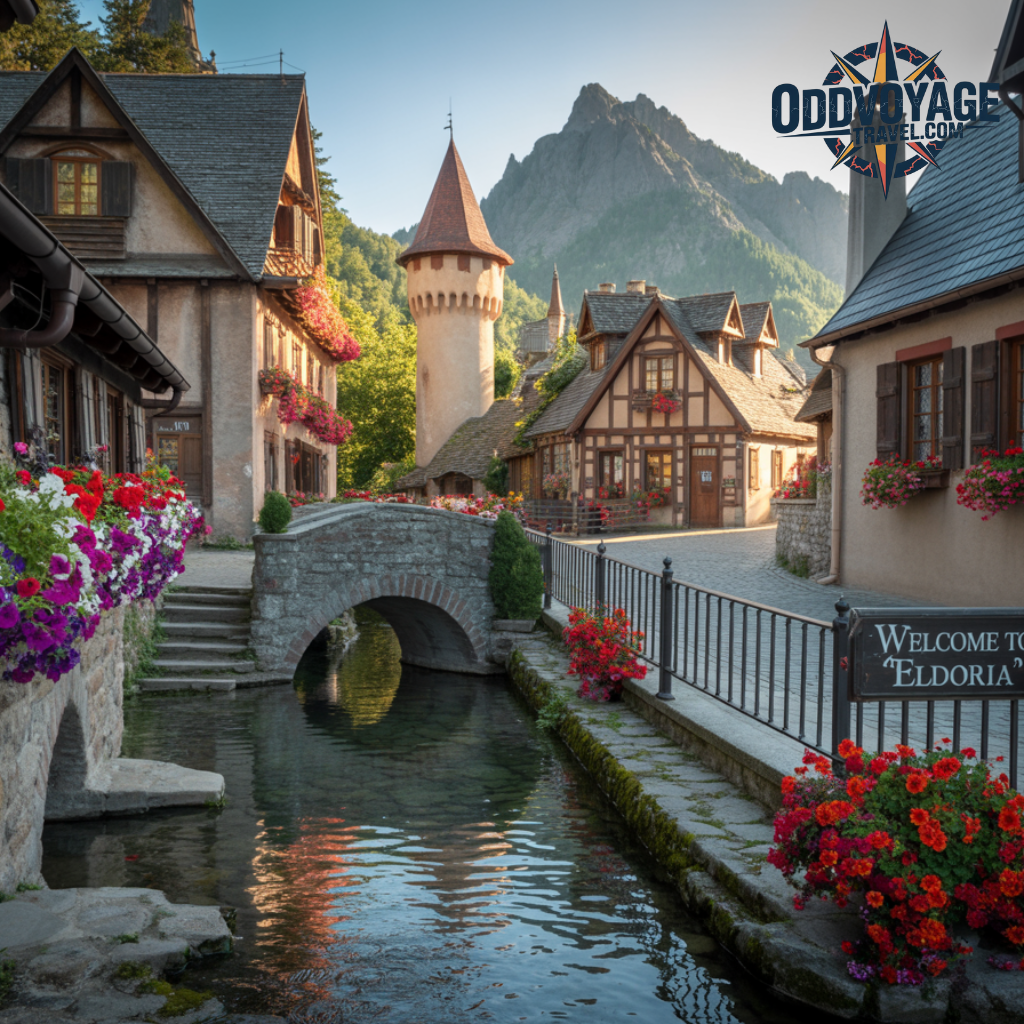
A charming, modern mountain village in one of Europe’s smallest countries. Ordino offers skiing in winter, hiking in summer, and a relaxed vibe year-round. It’s sandwiched between Spain and France—perfect for cross-border road trips.
Why Go?
- Easy to access yet undiscovered
- Nature, shopping, and culture
- Clean, peaceful, and safe
10. 🧚 Papigo, Greece (Epirus Region)
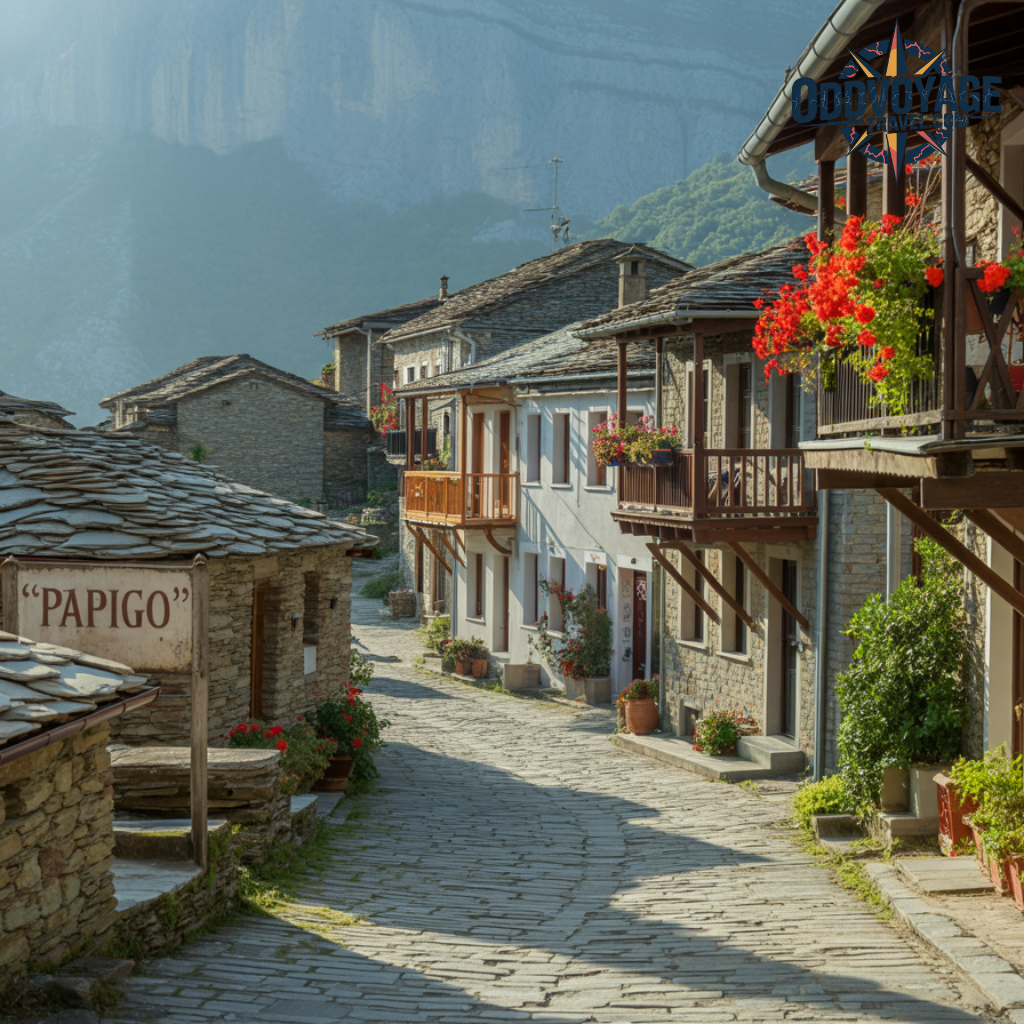
Forget the beaches—Papigo in northwestern Greece is a fairytale village built in stone. Set against the Vikos Gorge, this quiet village offers cobbled streets, eco-lodges, and delicious mountain cuisine.
Why Go?
- Stunning nature and hiking
- Charming guesthouses
- A side of Greece most tourists never see
Have you heard of or visited this village before?
Write a comment
✨ Tips for Visiting Hidden Mountain Villages

- Rent a car: Many of these villages are hard to reach without one.
- Book locally: Use regional websites or contact guesthouses directly for stays.
- Learn a few phrases: A little local language goes a long way in these remote areas.
- Respect local life: These villages aren’t tourist traps—support them by being respectful and spending locally.
Get the best travel insurance: EKTA
🧳 Final Thoughts: The Europe Most Americans Never See
Europe has so much more to offer than big cities and bus tours. These hidden mountain villages are where you’ll find real magic—quiet mornings, stunning scenery, and genuine connections with people.
Dare to go off the map. You’ll come back with stories no one else has.
❓ Frequently Asked Questions (A&Q)
🔹 Q: Why should Americans visit lesser-known mountain villages in Europe?
A: These hidden villages offer a more authentic, peaceful, and budget-friendly experience compared to busy tourist spots. You’ll discover traditional culture, local food, stunning alpine landscapes, and fewer crowds—all without sacrificing beauty or charm.
🔹 Q: Are these mountain villages easy to reach from major European cities?
A: Many of them are accessible by train, bus, or rental car from nearby cities like Zurich, Milan, Munich, or Lyon. While they may take a bit more effort to reach, the journey is part of the adventure and often incredibly scenic.
🔹 Q: Is it expensive to stay in these off-the-radar villages?
A: Not usually. Many hidden villages offer better value than popular tourist towns. You can often find affordable guesthouses, family-run inns, or cozy mountain lodges at lower prices than in places like Zermatt or Chamonix.
🔹 Q: Do locals speak English in these small European villages?
A: While English isn’t always widely spoken, especially among older generations, most people in tourism-related businesses speak enough to help you. Learning a few basic phrases in the local language can improve your experience.
🔹 Q: What’s the best time of year to visit European mountain villages?
A: It depends on what you’re looking for.
- Summer (June–September): Best for hiking, festivals, and clear views
- Winter (December–February): Ideal for skiing and cozy alpine vibes
- Fall and Spring: Fewer tourists and beautiful seasonal colors
🔹 Q: Will I need a car to explore these villages?
A: In many cases, yes. Some villages are remote or not connected by public transportation. Renting a car allows you to explore at your own pace and reach places buses don’t go. Just be prepared for narrow mountain roads!
🔹 Q: Are these villages good for solo travelers or families?
A: Absolutely. Whether you’re solo and seeking quiet nature or traveling as a family looking for local culture and outdoor fun, these villages offer safe, relaxed environments with lots to do.